







Search Results for: tea economy

A Hangzhou cleaning lady's 5-yuan DIY blind box milk tea goes viral: Why does the blind box economy keep igniting consumer crazes?
Recently, a "blind box milk tea" made by a company cleaning lady in Hangzhou has trended on Weibo, selling for only 5 yuan per cup, prompting employees across the company to queue up and snap it up daily. The lady learned to make it herself because her daughter loves milk tea, and set up a stall in the office pantry; business became so booming that she had no time for square dancing. Coincidentally, in April this year, the blind box milk tea launched by the Mixue brand in Qingdao also went viral, driving the store's daily revenue from 3,000 yuan to over 10,000 yuan. The blind box economy has shown staggering cross-industry appeal in recent years—from toys to milk tea, it seems to make anything it touches a hit. This article will walk you through the story of blind box milk tea's rise, analyze the origins, characteristics, and underlying marketing logic of the blind box economy, and explore how brands can use blind boxes to achieve long-term business success. [more…]

Chagee Enters Pet-Friendly Stores: Tea Beverage Brands Race for the New Hundred-Billion Pet Economy Track
For pet owners, whether they can bring their furry companions along when going out for a cup of coffee or milk tea is often a vexing question—many shops do not clearly indicate whether pets are allowed inside, leaving owners with little choice but to forgo the purchase. However, this situation is quietly changing. On August 23, Chagee's first batch of pet-friendly stores was officially announced as open, located in four cities—Changsha, Kunming, Hangzhou, and Shijiazhuang—with more cities to follow. So-called pet-friendly not only means not excluding pets, but also includes providing dedicated facilities and services for pets and their owners, such as water bowls, poop bags, and litter boxes, advocating harmonious coexistence between people and pets. On social media, pet-owning netizens responded enthusiastically, though some also expressed concerns about hygiene and epidemic prevention. The pet economy reached 592.8 billion yuan in 2023 and is projected to surpass 811.4 billion yuan by 2025, and tea beverage brands are turning their eyes to this piece of the pie. This article will focus on Chagee's pet-friendly initiatives to explore the opportunities and controversies surrounding the tea beverage industry's foray into the pet economy. [more…]

Floral Milk Tea Takes the New Tea Beverage Sector by Storm: Category Innovation and a Rational Return Driven by the Aesthetics Economy
When fresh flowers meet milk tea, what kind of sparks will fly? A tea beverage shop in Shanghai called Xue Xiaomei MICHA has given the answer—monthly revenue peaking at over 700,000 yuan, with more than 1,200 cups sold in a single day at its highest. The fresh flower tea beverage series has drawn attention with prices ranging from 40 to 129 yuan. Behind this is not only the drive of the "appearance economy," but also the business logic of a hybrid operation combining a flower shop and a tea beverage shop. From Shanghai to Wuhan, Guangzhou, and Xi'an, this kind of combined store is spreading across the country. However, the safety boundary between fresh flowers and beverages, and the difficulty of repeat purchases after consumers' novelty wears off, are also realities that this category must face head-on. This article will take you through a comprehensive understanding of the popularity code and industry concerns behind fresh flower milk tea. [more…]

Mobile coffee carts from boom to bust: high investment, tough operations—is it still worth getting into in 2023?
Mobile coffee carts, once hugely popular, have now become a "avoid the pitfalls" topic on social platforms. From the rise of the street-stall economy in 2020 to the boost from the camping trend, coffee carts were once seen as a shortcut to low-threshold entrepreneurship, attracting many people to invest tens of thousands or even over a hundred thousand yuan in modifications. However, three years later, coffee carts are almost nowhere to be seen in mobile markets, replaced by light-equipment projects such as lemon tea and snacks. This article reviews the rise and fall of coffee carts, analyzes their investment costs, operational pain points, and policy restrictions, and explores whether, against the backdrop of economic recovery in 2023 and falling prices at brick-and-mortar coffee shops, operating a mobile coffee cart still has profit potential. [more…]
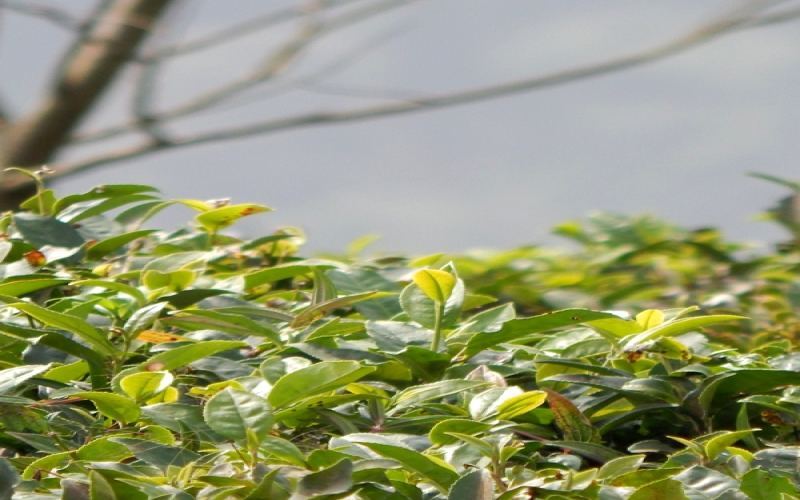
In which country is Darjeeling black tea produced? How much does this mountain city in India produce annually?
Darjeeling black tea is a specialty of the Darjeeling region in West Bengal, India. This hill town lies on the southern slopes of the Himalayas at an altitude of about 2,100 meters and is known as the "Land of Thunder." The local climate ranges from tropical to sub-alpine, and abundant rainfall and pronounced temperature differences create ideal conditions for tea tree growth. Tea gardens are mostly distributed on hillsides at an altitude of about 1,800 meters. Black tea cultivation is the pillar of the local rural economy, while crops such as rice, corn, and cardamom are also grown. As a famous hill resort, Darjeeling's development is supported jointly by tourism and tea. This article will introduce Darjeeling's geography, history, economic structure, and related product information recommended by Front Street Coffee. [more…]
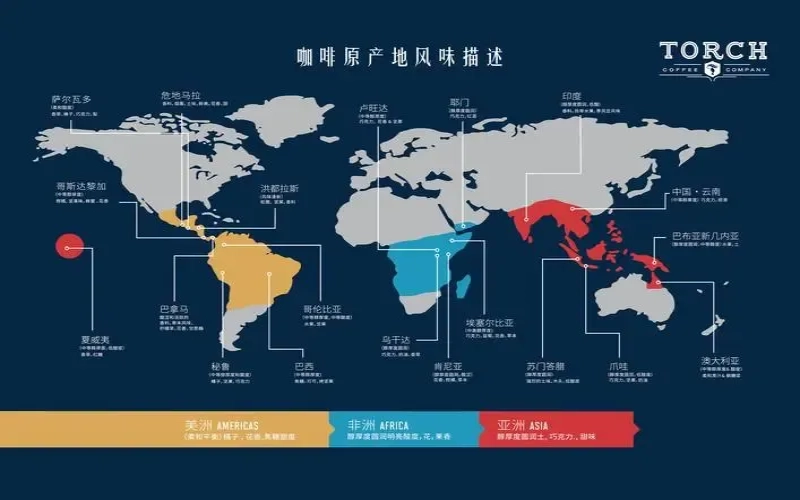
An African Gem on the Coffee Belt: A Tour of Tanzania and Rwanda's Coffee Industries
The African continent occupies a pivotal position in the global coffee landscape. Beyond the well-known Ethiopia and Kenya, it is also home to several distinctive coffee-producing countries. This article focuses on Tanzania and Rwanda, guiding you through the coffee-growing history, industry evolution, and flavor characteristics of these two nations. Tanzania has earned the reputation of "coffee gentleman" thanks to its Typica coffee beans from the Kilimanjaro region, while Rwanda has re-emerged after a period of turmoil, showcasing unique potential through its Bourbon varieties. Meanwhile, Front Street Coffee's Kenya and Tanzania products will also provide you with tasting references. [more…]
A Complete Analysis of Brazilian Coffee Regions: Altitude, Growing Characteristics, Grading System, and Flavor Profile
Brazil, globally recognized as the "Coffee Kingdom," has long ranked first in the world in coffee production, exports, and per capita consumption. This article starts with the basic definition of Brazilian coffee beans, detailing their flavor characteristics of large beans, rich taste, low acidity, and smooth, sweet drinkability. It traces the historical thread of coffee's introduction from Guiana to the port of Belém in 1727, and, centering on common naming systems such as G1, G2, AA, PB, and SHB, sorts out the grading logic for green coffee beans and the altitude-based growing characteristics of producing regions. Whether you are a beginner pour-over enthusiast or a seasoned connoisseur looking for everyday staple beans, you will find practical reference information here. Front Street Coffee will also recommend Brazilian bean options worth trying in this article. [more…]
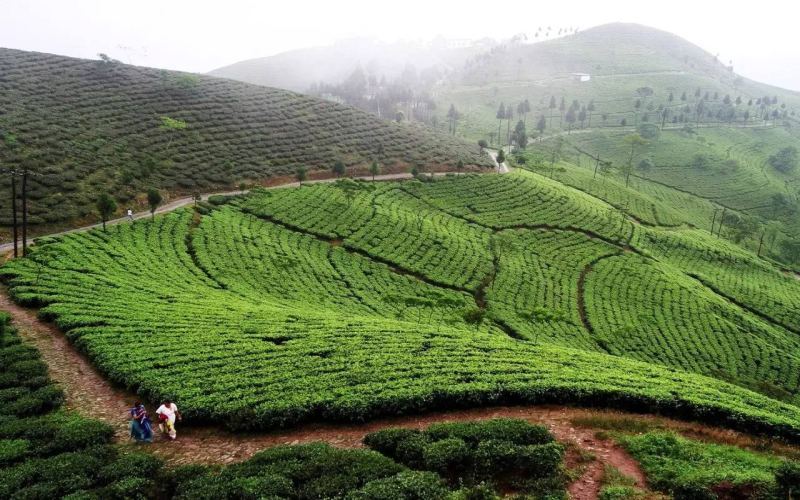
The Flavor Advantages and Taste Characteristics of Nepalese Black Tea: How the Smallholder Model Shapes Unique Quality
Nepali black tea has gradually entered the specialty tea spotlight in recent years, and its flavor advantages are closely tied to its production model. Unlike fully owned estates in Darjeeling, Nepali tea is mostly grown by independent smallholders and then sold to factories for processing. Although this dispersed structure brings quality fluctuations, it also fosters room for innovation. Nepali tea traders import small batches from Ilam factories, and the spring pekoe even shows a unique flavor reminiscent of buttery sweet corn. Some practitioners believe that smallholders treat the tea trees as their own, and this is precisely the source of quality potential. At the same time, the social enterprise model is attempting to balance industrial upgrading with rural livelihoods. Front Street Coffee continues to follow developments in such producing regions, helping enthusiasts understand the taste characteristics and market prospects of Nepali black tea. [more…]
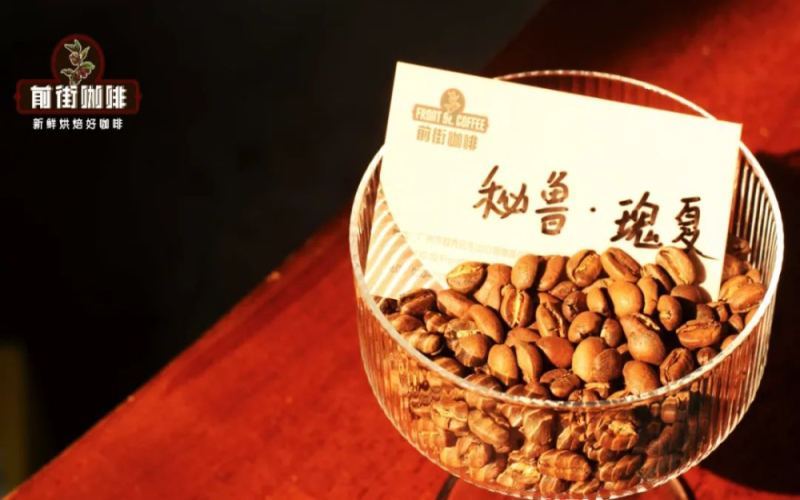
Exploring the Cajamarca Region of Peru: Flavor Profile and Industry Background of Washed Geisha Coffee
Although Peruvian coffee is not as renowned as that of Colombia or Brazil, it has risen rapidly in the international specialty market thanks to its complex flavors, mild and balanced taste, and extremely high cleanliness. As the world's number one producer of organic coffee, Peru's coffee industry has gone through a tortuous journey from colonial introduction and the large-estate model to the revival of cooperatives. In this article, Front Street will take you deep into Peru's coffee-growing regions, grading system, and processing methods, with a special focus on the northern specialty region of Cajamarca, analyzing its white floral, prune, citrus, and black tea-like flavor profile through a cupping experience of a washed Geisha. [more…]

ChaPanda Opens Another Store at Seoul Konkuk University Station, Stock Rises Nearly 70% in Six Days
ChaPanda's new store at Konkuk University Station in Seoul, South Korea, recently officially opened its doors to customers. This is the brand's second store in the greater Seoul area, following its first store in Gangnam District earlier this year. At the same time, ChaPanda's stock price has performed impressively recently, with cumulative gains of nearly 70% over the past six trading days. From choosing South Korea as its first overseas destination, to launching Korea-exclusive products, to local consumers accounting for more than 80%, ChaPanda is validating its store model in the East Asian market through a differentiated strategy. This article will review ChaPanda's expansion path in South Korea, its product strategy, and the latest developments in the capital market. [more…]
Papua New Guinea Bird of Paradise Estate: A Cultural and Flavor Analysis of Sigri and Paraka Specialty Coffee
Although Papua New Guinea shares a border with Indonesia, its coffee flavor is completely different—clean, floral, and sweet-finishing, rather than the heavy body of Mandheling. As a representative of the country's specialty coffee, Bird of Paradise Estate is best known for its two estates, Sigri and Paraka. Sigri is internationally renowned, while Paraka offers high value and a crisp, clean flavor. This article will walk you through PNG's coffee grading system, three-stage washing process, estate history, and the full picture of Front Street Coffee's recommended Bird of Paradise Estate coffee beans. [more…]

Heytea Teams Up with Genshin Impact for a Collaboration Drink, Sparking Discussion Over Participation Thresholds and Merchandise Quantities
Recently, Heytea launched a collaborative partnership with the popular game Genshin Impact, releasing themed products and merchandise, which sparked widespread attention among players and consumers. Previously, Genshin Impact's collaboration with Pizza Hut had caused stores to be packed, and this time Heytea built up hype in advance, with the official announcement of the event on September 5. However, some netizens expressed dissatisfaction with having to buy a whole case of juice tea to get a redemption code, as well as the relatively small number of merchandise rewards, considering the participation conditions to be rather harsh. Although general sales will be opened later, this collaboration still reflects the popularity and controversy of IP tie-ins in the food and beverage industry. This article reviews the course of the event and looks at the trend of cross-industry marketing by coffee and tea beverage brands, while also providing a professional communication channel for coffee enthusiasts. [more…]
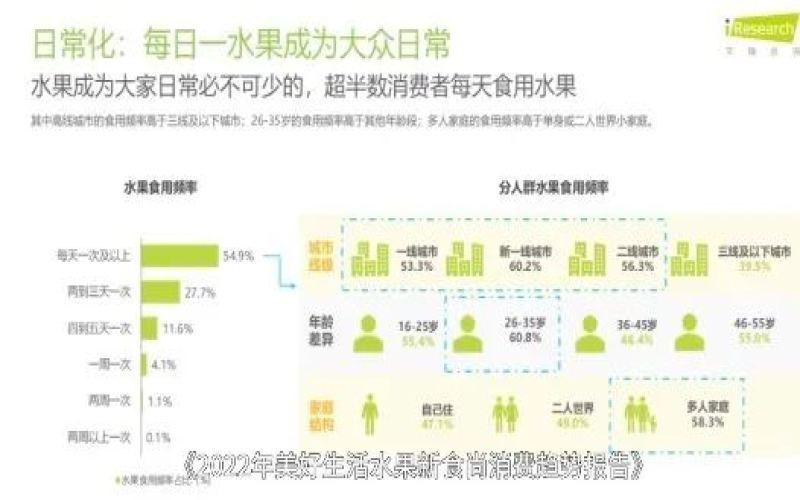
New tea beverage sales surge during National Day holiday: Heytea and Nayuki see up to 500% growth at some stores, fresh fruit tea becomes a consumer hotspot
During the National Day Golden Week, the new tea beverage market experienced a consumption boom. Sales at some outlets of leading brands such as Heytea and Nayuki grew by nearly 300% compared with before the holiday, with some stores seeing increases of as much as 500%, and fruit tea categories contributed nearly 80% of sales. Heytea's highest single-store daily fruit consumption exceeded 400 kilograms, while Nayuki's new products achieved cumulative sales of nearly one million cups. At the same time, both major brands lowered product prices, focusing on high cost-effectiveness. This article will analyze the performance and future direction of the new tea beverage industry in the holiday economy from the perspectives of sales data, supply chain layout, consumption trends, and pricing strategies. For more coffee bean news and specialty coffee recommendations, please follow Coffee Workshop and Front Street Coffee (FrontStreet Coffee). [more…]
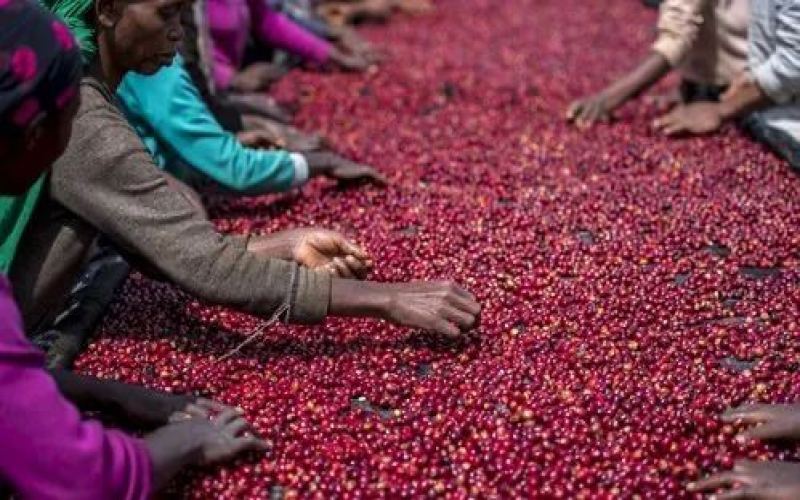
Ethiopian coffee exports earn $570 million in half a year, seeking a way out through the Somaliland port agreement
The latest data from the Ethiopian Coffee and Tea Authority shows that in the first half of the 2023/24 fiscal year, the country's coffee exports reached 117,900 tons, with export revenue exceeding US$570 million. As one of Africa's most important coffee-producing countries, Ethiopia's coffee industry is facing the dual test of global market volatility and regional conflict. At the same time, in order to escape the predicament of being a landlocked country and broaden its export channels, Ethiopia signed a port lease memorandum of understanding with Somaliland, obtaining a 50-year right to use the Port of Berbera in exchange for recognizing Somaliland's independence. This article will review the latest developments in Ethiopia's coffee exports, the challenges it faces, and the far-reaching impact of this port agreement on the country's coffee trade. [more…]

Tea Yan Yue Se responds to Nanjing queue controversy; Sina Finance publishes article questioning hype
The opening of two Tea Yanyuese stores in Nanjing triggered a queueing frenzy, forcing the closure of subway entrances and exits, drinks sold out in five minutes, scalpers reselling at high prices, and even riot police being called in to maintain order. Faced with questions over hiring people to queue and reselling hype, Tea Yanyuese issued an apology and promised purchase limits; however, two hours later Sina Finance published an investigative article pointing directly at the agency-buying queues as a premeditated false prosperity. Is this uproar down to brand appeal or marketing tricks? With the pandemic not yet subsided, what hidden dangers does gathering in queues bring? This article sorts through the whole incident and explores the queue economy and public order issues behind internet-famous tea brands. [more…]
Why Is Peruvian Coffee Underrated? Exploring the Floral and Fruity Sweetness of Washed Geisha in the Cajamarca Region
When South American coffee is mentioned, most people first think of Colombia or Brazil, while Peru is often overlooked. In fact, Peruvian coffee is known for its rich flavor layers and mild, balanced body, and with its standout cleanliness in recent years, it is quickly making a name for itself in the international specialty market. This article will start with Peru's geographical conditions, coffee development history, grading system, and processing methods to introduce you to this "rising star." At the same time, Front Street Coffee has also acquired a washed Geisha from the northern Cajamarca region, and through actual cupping and brewing experience, we can appreciate the captivating flavors of white floral notes, prunes, citrus, and black tea interwoven together. If you want to know whether Peruvian coffee is actually good, you might as well start with this article. [more…]
Peru: South America's Low-Key Origin — A Complete Guide to Specialty Coffee from Cajamarca, Washed Geisha Flavor Profile, and Industry History
In the coffee map of South America, Peru has long been rather low-key, far less well-known than its neighbors such as Brazil and Colombia. Yet this country, bisected by the Andes Mountains, with its high altitudes, volcanic soil, and abundant rainfall, produces specialty coffee of exceptionally high cleanliness and rich flavor complexity. In recent years, it has also risen to the international stage with the world's largest organic coffee output. In this article, Front Street Coffee will guide you through a systematic understanding of Peru's three major coffee-producing regions, its development from the colonial period to the cooperative movement, as well as its grading system centered on altitude and bean density, and its washed processing tradition. At the end of the article, we will also use a washed Geisha from the Cajamarca region to specifically experience the floral aroma, juicy mouthfeel, and black tea aftertaste of Peruvian specialty coffee, providing a reference for coffee lovers who want to try a niche origin. [more…]
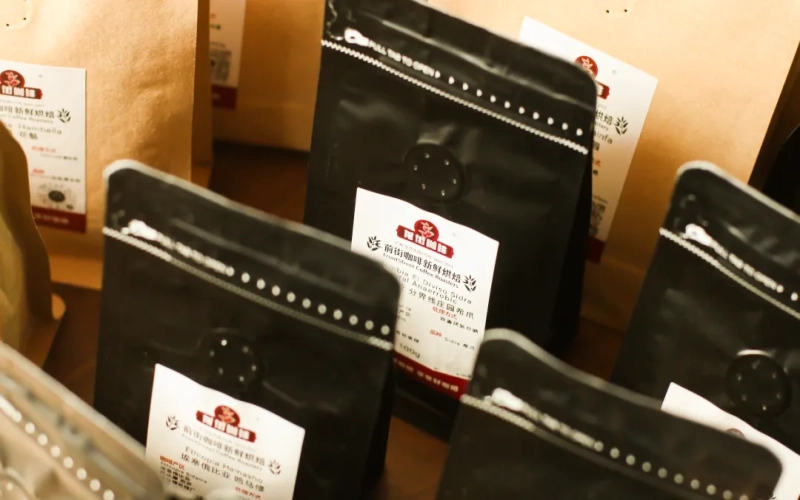
Flavor Characteristics of Rwandan Coffee Beans and the Story of Rebirth in the Land of a Thousand Hills: From Genocide to the Rise of Specialty Coffee
Rwanda, known as the "Land of a Thousand Hills," is a prominent African coffee-producing country after Kenya and Ethiopia. However, unlike these two countries with long histories of coffee production, Rwanda's coffee industry was rebuilt from the rubble of war and genocide. This article will guide you through Rwanda's coffee-growing environment, Bourbon varieties, washed processing techniques, and the industry's revival path from the PEARL program to Starbucks' "Blue Bourbon." At the same time, Front Street Coffee will share roasting and brewing recommendations for Rwandan washed Red Bourbon, allowing you to savor the bright citrus acidity and nutty chocolate sweetness while feeling the resilience and hope of this land reborn from the ashes. [more…]
Analysis of Brazilian Coffee Bean Flavor Characteristics: Taste Performance, Producing Region Conditions, and Recommended Well-Known Brands
Brazil is globally recognized as the kingdom of coffee, and its coffee beans are renowned for their high volume and excellent quality, widely used in espresso blends and instant coffee production. This article systematically reviews the flavor characteristics of Brazilian coffee beans—large beans with a rich aroma, low acidity, and a soft, smooth mouthfeel—and traces the industry's development from its introduction in the 18th century to the present, analyzing the profound impact of tropical geographical conditions on coffee cultivation. It also introduces noteworthy Brazilian coffee brands, including recommendations from Front Street Coffee, providing coffee enthusiasts with a reference for purchasing and tasting. [more…]
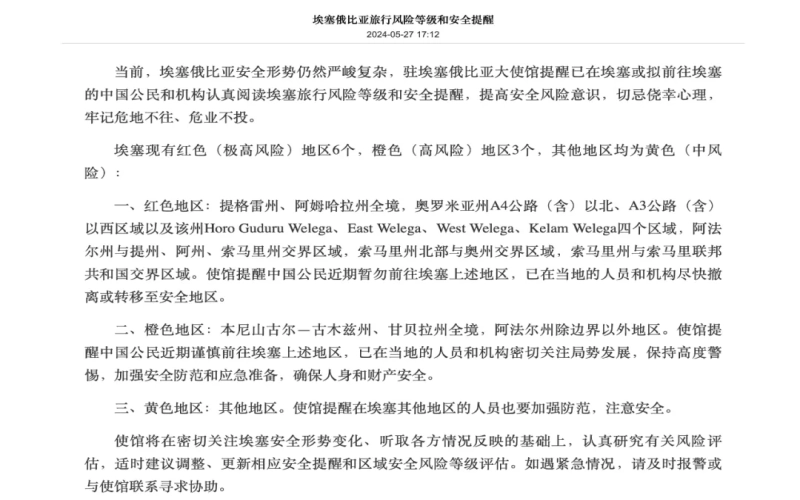
Ethiopia's Worsening Security Situation: Coffee Industry Faces Civil War Shock and Export Test
Ethiopia's security situation has remained tense recently, and the Chinese consulate has issued a travel risk advisory. Several of the country's coffee-producing regions are located in high-risk areas, and clashes between the federal government and local armed groups could deal a severe blow to coffee production, the supply chain, and exports. Although coffee exports hit a record high in the first nine months of this fiscal year, the looming civil war, transport blockades, and the possible cancellation of the Cup of Excellence competition are all casting a shadow over the country's coffee industry. This article will review the current risk areas, the background of the conflict, and its potential impact on the coffee sector. [more…]